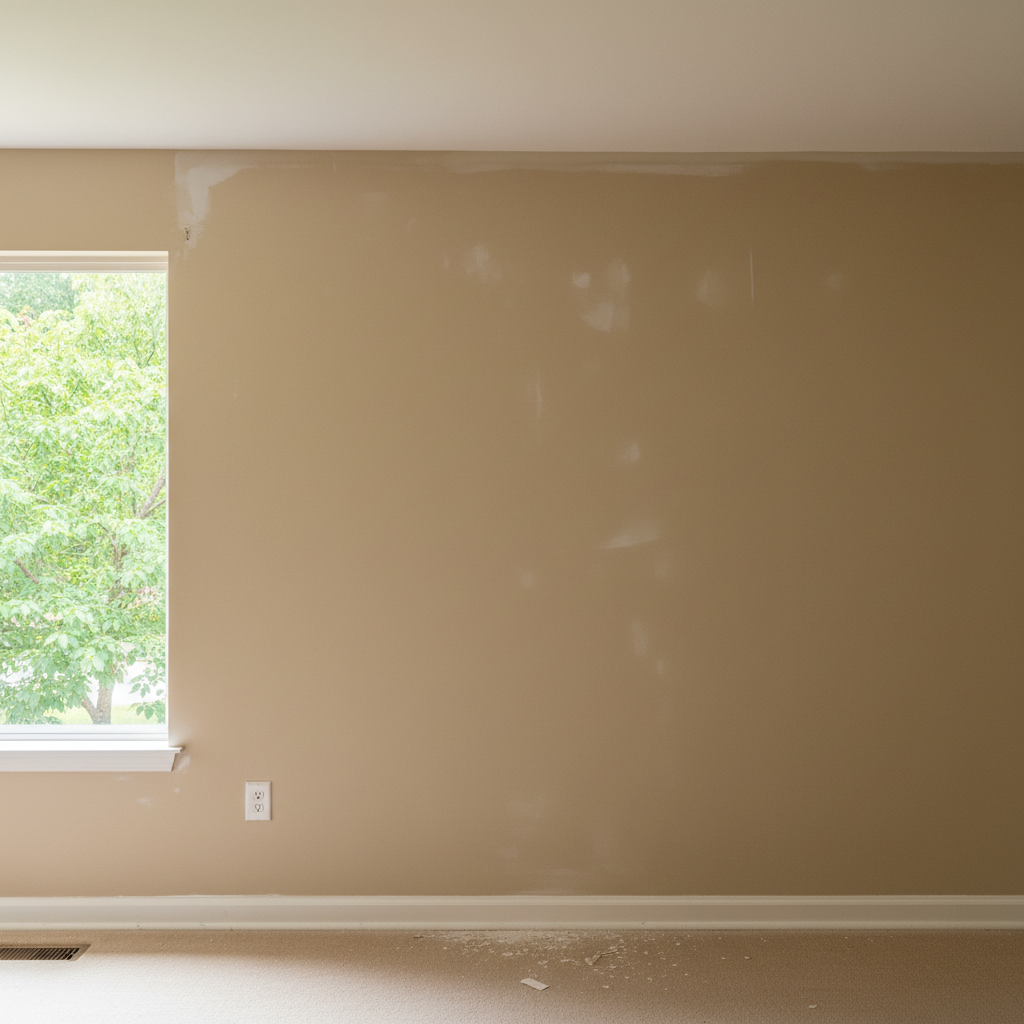
Hiring a painter for your home isn't like buying a gallon of milk. You're inviting someone into your space, trusting them with a big part of your home's appearance and protection. You want to get it right, and frankly, there are a lot of folks out there who'll take your money and leave you with a mess. So, let's talk about how to make sure you're hiring a good one.
What to Ask Before They Even Touch a Brush
When you're talking to potential painters, you need to be direct. Don't be shy about asking tough questions. Here's what I'd want to know if I were in your shoes:
- Are you licensed and insured? This isn't just a formality; it's protection for you. If they're not insured and someone gets hurt on your property, or they damage something, you could be on the hook. Ask for proof, not just a verbal 'yes.'
- How long have you been in business? Experience matters. A painter who's been around for a while, especially in Fayetteville, knows the local climate, the common building materials, and how to deal with things like our humid summers or the occasional sandy soil issues that can affect exterior prep.
- Can you provide references? And don't just take their word for it. Call those references. Ask about the quality of work, if they stayed on schedule, if they were clean, and if there were any unexpected costs.
- What kind of paint do you use? Good painters use quality products. They should be able to tell you the brand, the type (like acrylic latex or oil-based), and why they recommend it for your specific project. Cheap paint might save a few bucks upfront, but it won't last.
- What's your prep process? This is huge. A good paint job is 80% prep. Are they going to power wash, scrape loose paint, sand, fill holes, prime? If they gloss over this, that's a red flag.
- What's the warranty on your work? A reputable painter stands behind their work. They should offer some kind of warranty, usually for at least a year.
- Who will actually be doing the work? Is it them, their employees, or subcontractors? You want to know who's going to be in your home.
Decoding the Quote: What to Look For
Don't just glance at the bottom line. A good quote is detailed and transparent. It should clearly break down the costs. Here's what you should expect:
- Detailed Scope of Work: This should list everything they're going to do. Which rooms, which walls, ceilings, trim, doors, cabinets, exterior siding, fascia – every single surface. It should also specify the number of coats.
- Materials Breakdown: It should list the type and brand of paint, primer, caulk, and any other materials. This helps you compare apples to apples between different quotes.
- Labor Costs: Sometimes this is rolled into the total, but a good quote will give you an idea of the labor involved.
- Prep Work Included: Make sure the quote explicitly states what prep work is covered: washing, scraping, sanding, patching, caulking, masking, moving furniture, protecting floors. If it's not listed, assume it's not included.
- Payment Schedule: A reasonable payment schedule usually involves an upfront deposit (often 10-25% for materials), progress payments for larger jobs, and the final payment upon satisfactory completion. Be wary of anyone asking for 50% or more upfront, especially for smaller jobs.
- Cleanup: The quote should confirm they'll clean up the work area daily and do a final cleanup, removing all debris.
Red Flags You Can't Ignore
Some things should make you walk away, no questions asked.
- No License or Insurance: We already talked about this. Non-negotiable.
- Cash-Only Deals: This often means they're trying to avoid taxes, and it leaves you with no paper trail or protection if things go wrong.
- High-Pressure Sales: If they're pushing you to sign 'today only' or offering huge discounts if you commit on the spot, that's a tactic, not a deal.
- Extremely Low Bids: While everyone loves a bargain, a bid that's significantly lower than others usually means they're cutting corners somewhere – either on materials, labor, or insurance. You'll pay for it later.
- Lack of a Written Contract: Get everything in writing. Verbal agreements are worth the paper they're printed on, which is to say, nothing.
- No References or Poor References: If they can't provide any, or if the ones they do provide give lukewarm reviews, that's a big problem.
Verifying Legitimacy
You've got the quote, you've asked the questions. Now, how do you double-check?
- Check Their License: In North Carolina, painting contractors often fall under general contractor licensing for larger jobs, or local business licenses. You can check with the NC Licensing Board for General Contractors or the City of Fayetteville's business licensing department.
- Verify Insurance: Ask for a certificate of insurance directly from their insurance provider. Don't just accept a copy from the painter; contact the insurer to confirm it's active and covers liability and workers' compensation.
- Look Them Up Online: Check their website, social media, and review sites like Google, Yelp, or the Better Business Bureau. Look for consistent positive reviews, and how they respond to any negative ones.
- Visit a Past Job (if possible): If they're working on a project nearby, or if a reference is willing, seeing their work firsthand can be very telling.
It might seem like a lot of work, but trust me, taking these steps upfront can save you a ton of headaches, money, and disappointment down the road. We've seen it all here at World Class Painters, and we know what a difference a truly professional job makes. Do your homework, and you'll end up with a paint job you'll be proud of.