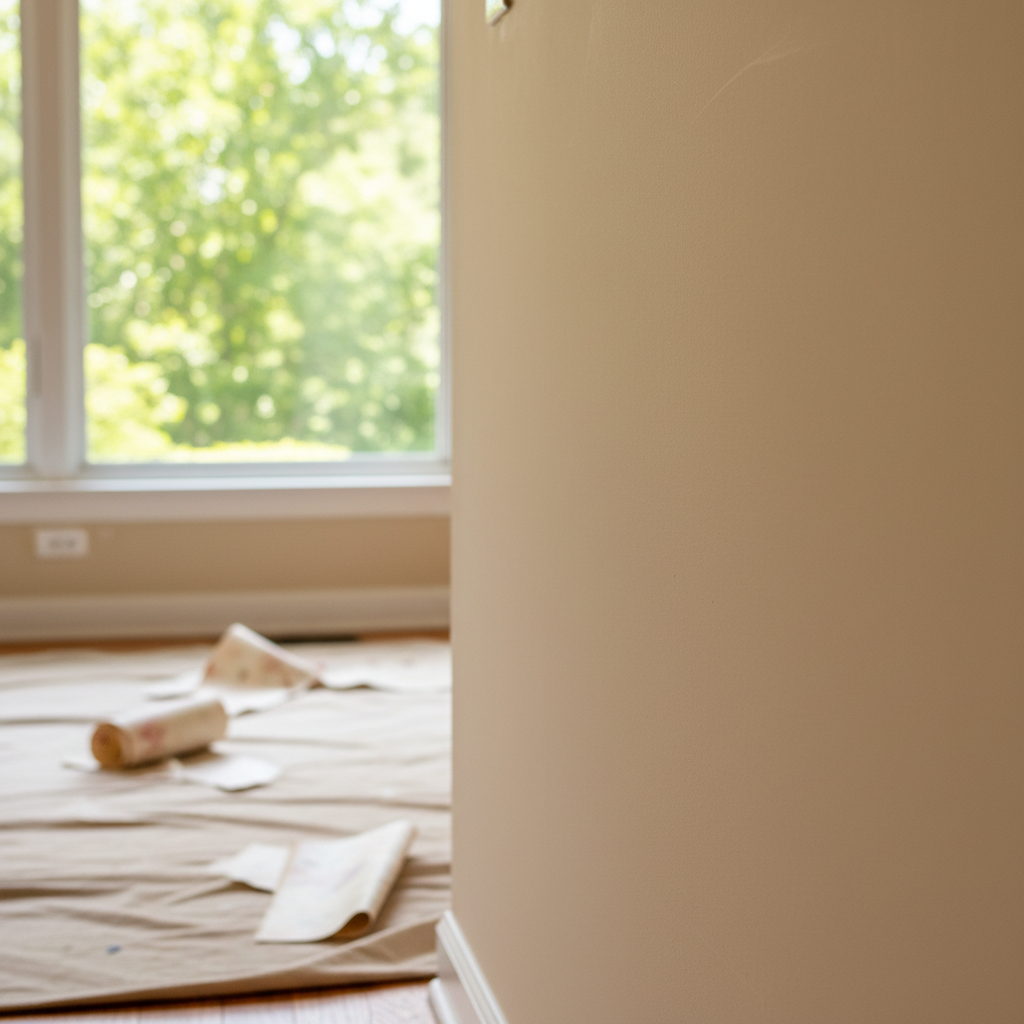
Alright, let's talk wallpaper removal. It's one of those jobs that homeowners often dread, and for good reason. It can be messy, frustrating, and sometimes, downright impossible if you don't know what you're doing. I've taken down my fair share of wallpaper in homes all over Fayetteville, from the older places in Terry Sanford to the newer builds near Hope Mills, and I've heard the same questions pop up again and again. So, let's tackle 'em head-on.
Can I just paint over old wallpaper?
Look, technically, yes, you can. But should you? Almost always, no. Painting over wallpaper is like putting a band-aid on a broken leg. It might look okay for a little while, but you're just asking for trouble down the road. The moisture from the paint can reactivate the old adhesive, causing bubbles, peeling, and seams to show right through your fresh coat. Plus, if the wallpaper itself is textured, that texture will still be there. You'll never get that smooth, professional finish you're probably dreaming of. Trust me, you'll regret it later when you have to strip the paint and the wallpaper. Just do it right the first time.
What's the easiest way to remove wallpaper?
There's no magic bullet, I'm afraid. The 'easiest' way really depends on the type of wallpaper, the adhesive used, and how well the walls were prepped underneath. If you're lucky, you've got strippable or peelable wallpaper, which comes off in full sheets with minimal effort. But that's rare, especially in older homes around here. More often, you're dealing with traditional wallpaper that needs to be scored and soaked. We use steamers and specialized solutions that break down the glue. Sometimes, it's a combination of tools and a whole lot of patience. There's no 'one size fits all' easy button, but having the right tools and technique makes a world of difference.
How long does wallpaper removal usually take?
This is probably the most common question I get, and it's also the hardest to answer precisely without seeing the job. A small powder room with easy-to-remove wallpaper might take a few hours. A large living room with multiple layers of old, stubborn paper over unprimed drywall? That could be days. Factors like the number of layers, the type of adhesive, whether the walls were properly primed before installation, and even the humidity in the air can all affect the timeline. When we give you an estimate at World Class Painters, we're factoring in all these variables to give you a realistic timeframe.
Will removing wallpaper damage my walls?
It's definitely a risk, especially if the wallpaper was put up directly onto unprimed drywall. When that happens, the adhesive can bond directly with the paper facing of the drywall. When you pull the wallpaper off, you can pull off bits of the drywall paper too, leaving a rough, fuzzy surface. Plaster walls are usually more forgiving, but even then, old adhesive can be tough. We take every precaution to minimize damage, using gentle techniques and proper removers. But sometimes, some repair work – patching, sanding, and priming – is necessary after the wallpaper is gone to get the walls ready for paint. It's part of the process.
What tools and materials do I need if I'm doing it myself?
If you're tackling it yourself, you'll want to gather a few things. You'll need a wallpaper scoring tool (it makes tiny perforations), a spray bottle for your removal solution (or just warm water), a wide putty knife or scraper with rounded corners, a steamer (you can rent these), plenty of drop cloths, sponges, and buckets. A good commercial wallpaper remover solution is a must, too. Don't forget safety glasses and gloves. It's a lot of gear, and it's all about methodically working small sections at a time. And trust me, you'll want a good podcast or some tunes playing.
What should I do after the wallpaper is removed?
Once all the paper is off, your work isn't quite done. First, you need to thoroughly clean the walls to remove any remaining adhesive residue. Warm water and a little dish soap or a dedicated adhesive remover usually do the trick. If you leave any glue behind, your new paint won't stick properly, or you'll see uneven patches. After cleaning, let the walls dry completely. Then, inspect for any damage – torn drywall paper, gouges, or holes. Patch these areas with joint compound, sand them smooth, and then apply a high-quality primer. This primer is crucial; it seals the wall, prevents any residual adhesive from bleeding through, and provides a uniform surface for your paint. Don't skip the primer!
Why should I hire a professional for wallpaper removal?
Honestly, it comes down to time, effort, and results. As I mentioned, it's a messy, labor-intensive job that often requires specific tools and a lot of know-how to avoid damaging your walls. We've got the experience to identify the type of wallpaper and adhesive, choose the right removal method, and get it done efficiently. We're also set up to handle the mess and dispose of it properly. Plus, we're experts at repairing any wall damage that might occur and getting those surfaces perfectly smooth and ready for a fresh coat of paint. You save your back, your weekend, and you get a much better starting point for your next painting project. Sometimes, it's just worth it to call in the pros, especially with how humid our summers can get here in Fayetteville, which can make wallpaper even stickier.