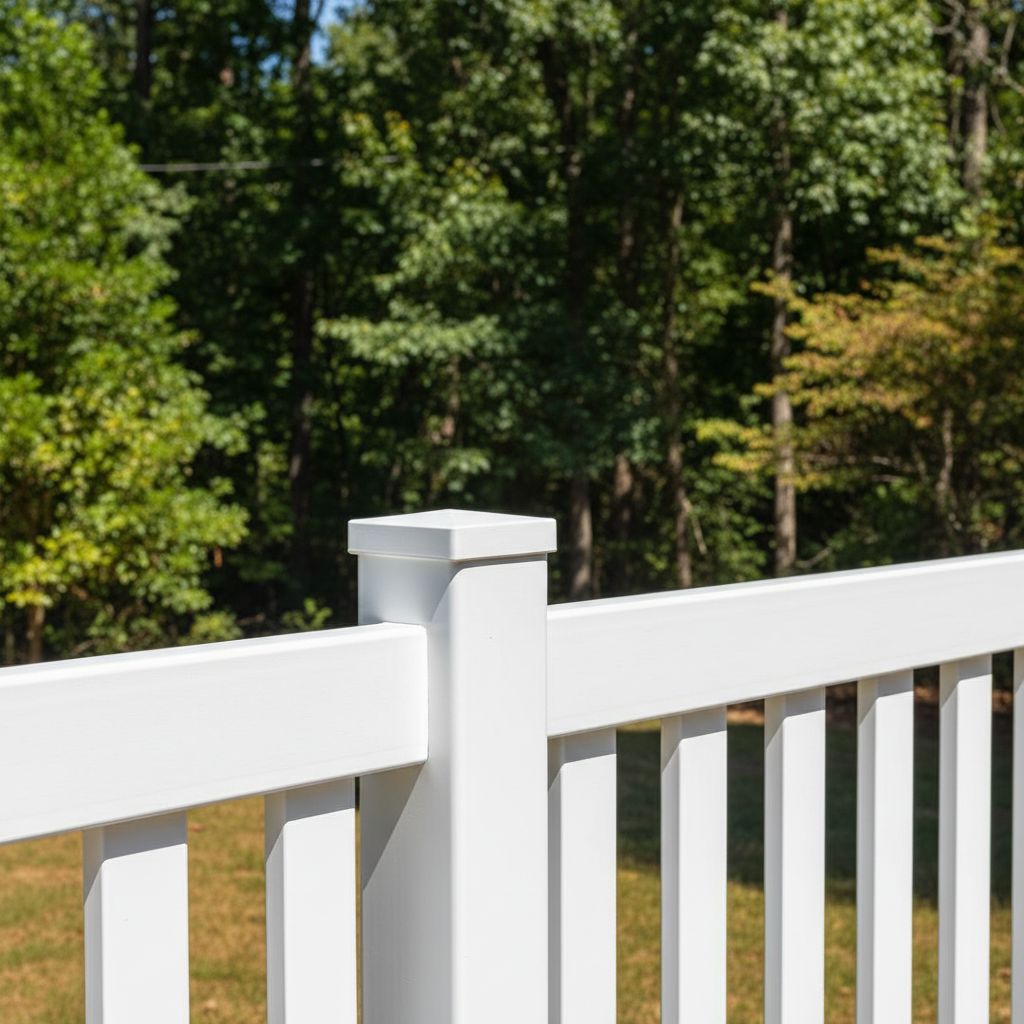
Should you paint your fence or just leave it alone? Homeowners around Fayetteville usually ask World Class Painters that first when our team is out quoting jobs from Haymount to the Ramsey Street corridor. The Fayetteville humidity and red clay dirt take a real toll on outdoor wood and metal, so a good coat of Fence Painting is not just about looks—it is armor. These are the questions we hear every single week.
How long should a painted fence actually last in Fayetteville?
On a well-prepped wooden fence, you are looking at about five to seven years before you need to think about a major touch-up or respray. The biggest enemy here is not the cold winters; it is our brutal summer sun coupled with sudden afternoon downpours. If you use cheap box-store paint, the finish will start peeling off in sheets by year two. World Class Painters uses heavy-duty acrylic latex formulations for Fence Painting because they flex with the wood as it expands and contracts in the heat.
Do I really need to pressure wash an old fence before painting?
Skipping the wash is the number one reason DIY Fence Painting jobs fail within twelve months. Fayetteville pollen, mold, and airborne dust form a film on the surface that blocks paint from grabbing the wood fibers. You have to blast all that junk off, but here is the catch—you cannot just paint a soaking wet fence. You need to let it dry out for at least two or three sunny days, otherwise the moisture gets trapped underneath and bubbles the finish right off.
Should I use a brush, roller, or sprayer?
If you are looking at a standard privacy fence with dog-ear pickets, rolling and brushing by hand will take you until next Tuesday and leave your shoulders very sore. An airless paint sprayer is the only way to get deep into the cracks and crevices efficiently during Fence Painting. That said, you still need to follow right behind the sprayer with a back-brushing pass on rough-sawn lumber to force that coating deep into the grain. Otherwise, you are just laying a thin skin on top that will not last.
Is stain better than paint for wooden fences?
It depends entirely on what is already on the wood and what look you want. Stain sinks deep into the pores and rarely peels, making it very easy to recoat down the road without heavy scraping. Paint sits on the surface, offering a much wider range of solid colors and a cleaner, more uniform barrier against rot and UV damage. If you have an older fence with mismatched repairs, paint hides a multitude of sins that semi-transparent stain will show right through.
How do I keep red clay splash-back from ruining the bottom boards?
Drive down any road near the Cape Fear River after a heavy summer storm and you will see what red clay does to the bottom foot of a fence. That splash-back stains the wood and holds moisture against the pickets. World Class Painters always tells homeowners to trim back their mulch and grass line a few inches from the fence base, or install a small gravel trench. When we paint a fence, we make sure those bottom boards get an extra-heavy coat of primer to seal out ground moisture.
Can you paint a vinyl or chain-link fence?
You can paint vinyl if it is properly scuffed and primed with a specialized bonding agent, but most of the time it is not worth the hassle or the upkeep. Chain-link can be sprayed with a rust-inhibiting direct-to-metal coating if you want to change a rusty galvanized fence to black or green, which completely transforms the look of a yard without the cost of a full replacement. For homes and businesses in Fayetteville, World Class Painters provides Fence Painting services.